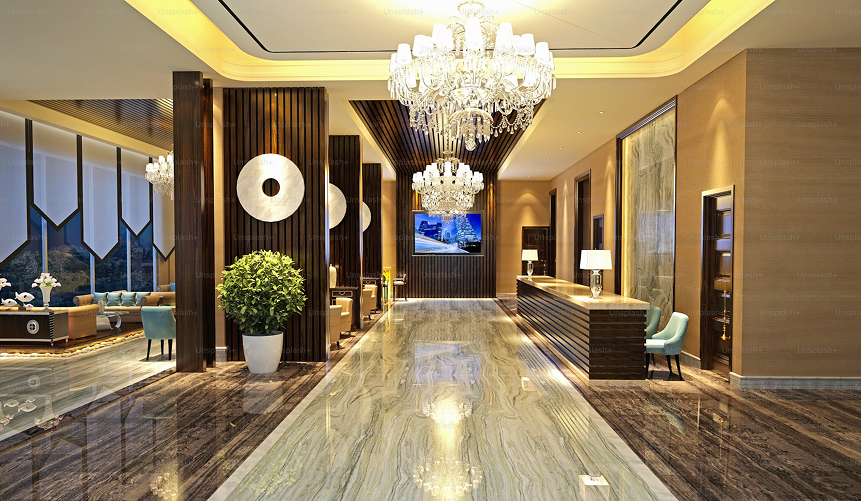

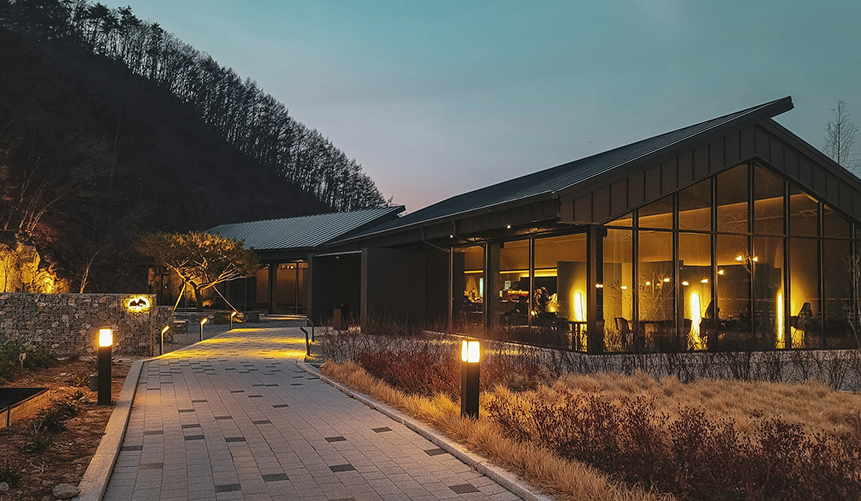
When hotel owners think about increasing profits, the first instinct is usually to attract more guests. More bookings, more occupancy, and bigger marketing budgets seem like the obvious solution. However, experienced hospitality professionals know that profitability isn't determined by occupancy alone. A hotel operating at 80% occupancy can still struggle financially if operations are inefficient, pricing is inconsistent, and guest experiences fail to create repeat business. On the other hand, a professionally managed hotel with lower occupancy can often generate healthier profits through strategic planning and operational excellence.
The hospitality industry has evolved dramatically over the past decade. Guests expect personalized experiences, seamless technology, exceptional service, and value for money. Hotel owners must balance these expectations while managing rising operating costs, changing travel trends, and intense competition. This is where professional hotel management becomes a decisive advantage.
Many owners mistakenly believe that owning an attractive property is enough. In reality, a hotel is a complex business with dozens of interconnected departments. Revenue management, housekeeping, front office, food and beverage, engineering, sales, marketing, finance, procurement, and human resources must all work together. When one area underperforms, the entire guest experience suffers.
Revenue management is one of the strongest drivers of profitability. Dynamic pricing based on seasonality, local events, booking pace, competitor analysis, corporate demand, and OTA performance ensures every room is sold at the best possible value. Rather than relying on fixed tariffs throughout the year, successful hotels continuously adjust pricing to maximize revenue.
Guest experience is equally important. Every interaction from the reservation process and check-in experience to room cleanliness, dining quality, and check-out shapes the hotel's reputation. Positive online reviews increase trust, encourage direct bookings, and reduce marketing costs over time.
Professional management also introduces standardized operating procedures, staff training, quality audits, cost control systems, inventory management, and performance reporting. These systems reduce waste, improve consistency, and create accountability across departments.
Marketing alone cannot compensate for operational weaknesses. Investing heavily in advertising while neglecting guest satisfaction often results in disappointing returns. Sustainable growth comes from combining strong operations with intelligent sales, digital marketing, revenue optimization, and memorable hospitality.
Partnering with an experienced hospitality management company allows owners to benefit from proven systems, industry expertise, commercial strategies, and leadership without having to build everything internally. The goal is not simply to fill rooms it is to create a profitable, respected, and sustainable hospitality business.
In today's competitive hospitality landscape, long-term success belongs to hotels that continuously improve operations, invest in people, embrace technology, and deliver exceptional guest experiences. Better management creates better experiences, stronger financial performance, and lasting business value.
Conclusion
Occupancy is only one metric of success. Professional management transforms a hotel into a well-organized, guest-focused, and profit-driven business. By improving operations, optimizing revenue, training teams, and strengthening the guest experience, hotels can achieve sustainable growth while building a reputation that keeps guests coming back.